
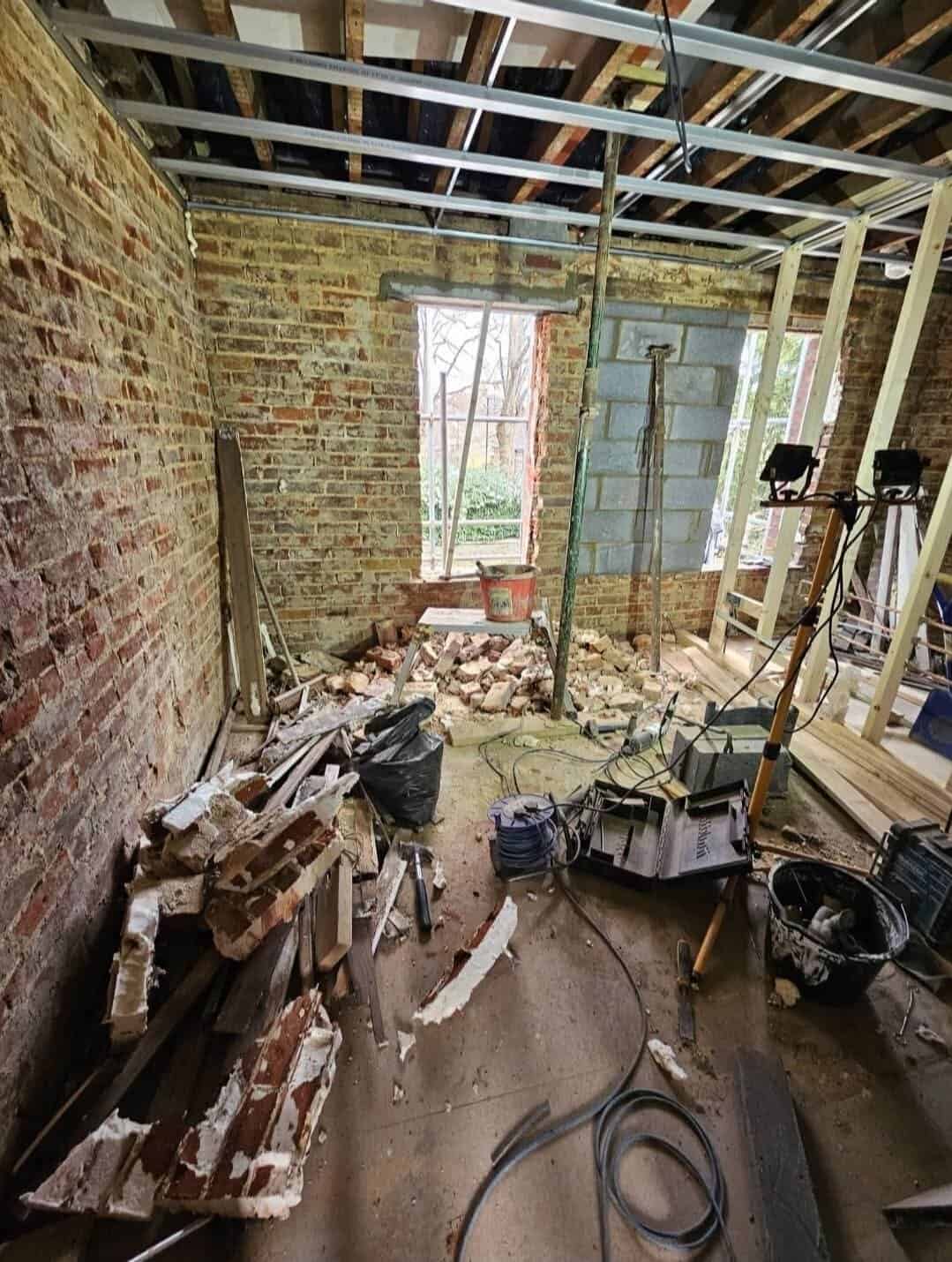
When it comes to maintaining the structural integrity of a house, many homeowners focus on the basics, such as regular maintenance, checking for leaks, and ensuring that electrical and plumbing systems are in good condition. However, one factor that can often be overlooked is the role that weather plays in the condition of your home’s structure. While we often associate severe weather with visible damage, like flooded streets or fallen trees, the truth is that prolonged exposure to certain weather conditions can gradually weaken the very foundations and structure of your house.
In the UK, where the weather can vary dramatically, from heavy rainfall to freezing temperatures and even intense heat, homes are exposed to a wide range of weather-related stressors. This raises an important question: can weather cause structural damage to a house? The answer is yes. Weather can affect a home in various ways, leading to significant long-term damage if not addressed promptly. Understanding how different weather conditions impact your property is essential for protecting your home and preventing costly repairs.
The Impact of Heavy Rain and Flooding
One of the most obvious ways that weather can cause structural damage to a house is through heavy rainfall and flooding. While rainfall itself may seem like a minor issue, when it is persistent or particularly intense, it can cause long-term damage to your property’s foundations. Over time, water can seep into the ground around your home, creating soil erosion that can weaken the foundation. When the ground becomes oversaturated, it may no longer be able to support the weight of the building, leading to subsidence or settlement, which can cause cracks in walls and floors.
Flooding, in particular, presents an even greater threat. When water levels rise, they can quickly infiltrate lower levels of the house, causing water damage to floors, walls, and electrical systems. In severe cases, flooding can damage the very foundation of the home, particularly if it’s prolonged or the floodwaters reach high enough levels. It’s also worth considering that constant exposure to water can encourage the growth of mould and mildew, which can further weaken the structure of a house, especially wooden beams, floorboards, and drywall.
Freezing Temperatures and the Effect on Foundations
Freezing temperatures and the resulting frost can also cause significant structural damage to a house. During colder months, the ground beneath and around a home can freeze, causing it to expand and contract as temperatures fluctuate. This movement of the earth can put immense pressure on the foundation of your home. If there are cracks or weaknesses in the foundation, the freezing and thawing process can exacerbate these issues, leading to further damage.
In addition to the foundation, frozen water in pipes can also cause issues. If water inside pipes freezes, it expands, which can cause pipes to crack or burst. This leads to significant water damage and the possibility of flooding within the home. Over time, repeated freezing and thawing can weaken not only the foundation but also walls, flooring, and the overall integrity of the house.
The Effect of Wind and Storms on the Structure of a House
Wind and storms are another weather-related factor that can lead to structural damage in a home. High winds, in particular, can cause damage to roofing, gutters, windows, and walls. When a house is exposed to powerful winds, it can put stress on the roof and cause it to lift or even tear off in extreme cases. Similarly, stormy conditions often bring rain, which can penetrate the roof or walls, leading to leaks and water damage.
Falling trees or branches during storms can also present a significant risk. A large tree falling onto a property can cause major structural damage, including puncturing roofs, collapsing walls, or damaging foundations. In addition, strong winds can cause damage to fences, boundary walls, and garden structures, which may indirectly affect the overall stability of the house by causing erosion or shifting the ground around the foundation.
Heatwaves and Their Effect on Building Materials
While heavy rainfall and freezing temperatures often get the most attention when it comes to structural damage, it’s essential to remember that extreme heat can also have a detrimental effect on the structure of a house. In the UK, heatwaves have become more common, and they can lead to the expansion and contraction of building materials. Wood, for example, can shrink and crack when exposed to prolonged heat, which can weaken the structural integrity of beams, floors, and doors.
Similarly, high temperatures can cause problems with mortar and brickwork. As the temperature rises, mortar can become dry and brittle, leading to cracks and weakened joints in brick or stone walls. Over time, this can lead to further damage as the structure becomes increasingly unstable. In extreme cases, excessive heat can cause the foundation of a house to shift, leading to cracks in the walls and uneven floors.
The Role of Coastal Weather in Structural Damage
For homeowners living near the coast, the weather can have an even more significant impact on the structural integrity of their homes. Coastal weather is often a combination of strong winds, saltwater exposure, and higher humidity levels. The salt in the air can cause corrosion of metal components, such as roofing, windows, and railings, leading to rust and weakened structures.
Saltwater is particularly damaging because it can penetrate the building’s materials and corrode them from the inside out. Over time, this process can cause significant weakening of structural components, leading to the need for costly repairs. In addition, the high humidity levels found near the coast can contribute to moisture problems within the home, leading to mould growth and damp issues that can further compromise the structure.
How to Protect Your Home from Weather-Related Structural Damage
While weather-related structural damage is inevitable at times, there are steps you can take to minimise the risk and protect your home from long-term damage. Regular maintenance is key to ensuring your home is resilient to weather-related stressors. Here are some proactive measures to consider:
- Maintain gutters and downspouts: Ensure that gutters and downspouts are clear of debris and functioning properly to prevent water from pooling around the foundation.
- Check for leaks: Regularly inspect your roof, windows, and walls for any signs of leaks or water infiltration. If any issues are found, have them repaired immediately to prevent further damage.
- Install proper drainage: Ensure that your property has proper drainage systems in place to direct water away from the foundation. This will help prevent flooding and soil erosion.
- Insulate pipes: During the colder months, make sure that pipes are insulated to prevent freezing and bursting.
- Strengthen the roof: If you live in an area prone to high winds, consider reinforcing your roof to withstand storms.
- Regularly check foundations: Look for signs of cracks or shifting in the foundation and address any issues promptly to avoid further damage.
Conclusion
Weather can undoubtedly cause structural damage to a house, and homeowners in the UK must be aware of the potential risks posed by various weather conditions. From heavy rainfall and flooding to freezing temperatures, high winds, and heatwaves, each weather element can affect a property in different ways, leading to foundation damage, leaks, corrosion, and more. By understanding these risks and taking proactive steps to protect your home, you can minimise the impact of weather-related damage and maintain the structural integrity of your house for years to come.
Regular maintenance, timely repairs, and professional inspections are crucial to keeping your home safe from the effects of the weather. Whether you live in a coastal area or inland, it’s important to stay vigilant and ensure that your home is ready to withstand whatever the weather throws its way. Contact the team of experts at Blydan Projects today.