
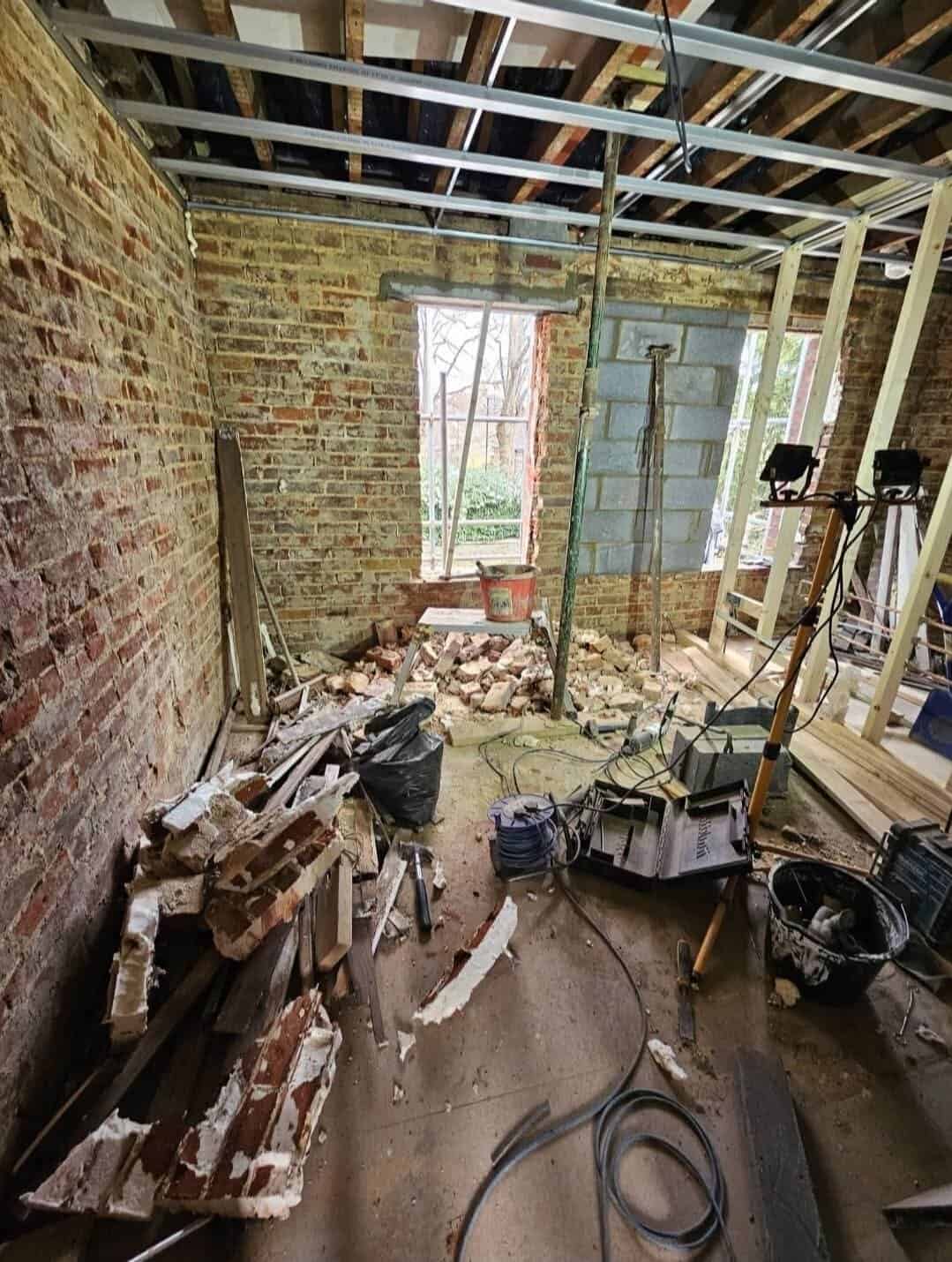
At Blydan Projects, we know that hearing the words “failed lintel” can send a shiver down any homeowner’s spine. For most people, structural elements like lintels aren’t something they think about until there’s a problem. But these hidden supports play a vital role in keeping your home stable and safe. If you’ve discovered that a lintel in your property has failed or is showing signs of distress, it’s essential to act quickly, understand what’s involved, and know how to put things right before further damage occurs.
We’ve carried out countless structural repairs in Southampton and across the surrounding areas, so we understand exactly how worrying a failed lintel can be. The good news is that, with the right professional support and a clear plan, it’s possible to repair or replace a failed lintel properly, protect the integrity of your home and avoid more costly problems down the line.
Understanding What a Lintel Does
Before we get into what you should do if yours fails, it helps to understand what a lintel is and why it matters so much. In simple terms, a lintel is a structural beam that sits across an opening in a wall — think of doors, windows and other gaps that break up your brickwork or blockwork. The lintel carries the load of the wall above these openings and safely transfers it to the surrounding structure.
Without a properly functioning lintel, the weight above the opening has nowhere to go. This can cause cracks, sagging and in the worst cases, partial collapse of the wall. That’s why a lintel failure is never something to ignore or patch up with cosmetic repairs alone.
Common Causes of Lintel Failure
Lintels can fail for many reasons. In older homes, the original lintels might be made from timber, which can rot or become infested by pests over time, especially if damp is present. Some properties have stone or concrete lintels that crack or deteriorate due to weather exposure, freeze-thaw cycles or poor installation. In some houses built in the last century, steel lintels were used, but without proper damp proofing, they can corrode and expand, leading to cracking in the brickwork above.
It’s also surprisingly common for lintels to be removed or altered during DIY renovations without proper structural support being put in place. We’ve seen everything from windows widened without adequate lintels added, to load-bearing walls changed without consulting a structural engineer. All of these scenarios can lead to significant structural issues that must be addressed professionally.
Understanding the Root Cause: Why Lintels Fail
When a lintel fails, it’s often a symptom of deeper structural or environmental problems, rather than simply a worn-out beam. One common cause is moisture penetration. Over time, water can seep into masonry, causing steel reinforcement in concrete lintels to rust, expand and weaken. This can lead to cracks in the surrounding brickwork, sagging lintels, or even displacement of windows and doors. Another frequent culprit is ground movement or subtle subsidence. Changes in soil conditions, shifting foundations or local drainage issues can place uneven loads on walls.
The lintel — which should evenly distribute weight above an opening — can then become overloaded, triggering structural stress at door or window heads. Recognising the root cause is essential for any repair to succeed long‑term. At Blydan Projects, we always carry out a full survey when lintel failure is suspected. This isn’t just about fixing the visible crack — it’s about diagnosing and remedying the underlying issue to ensure your home remains structurally sound and safe for the future.
Repair or Replace: How We Approach Lintel Restoration
Fixing a failed lintel isn’t always a full rebuild. In many cases, modern reinforcement techniques allow the existing structure to be saved — with far less disruption than you might expect. One effective method involves inserting stainless-steel bars or reinforcement within existing mortar beds. These bars act as a new, high-tensile beam, distributing loads across the masonry and stabilising the wall. If the lintel is severely corroded or damaged beyond repair, a full replacement may be necessary. In such cases, we carefully support the structure above using props or scaffolding, remove the failing lintel and install a new steel or concrete lintel designed to the correct load-bearing specification.
This ensures long-term stability and restores the safety of the opening. Whether reinforcing or replacing, our priority at Blydan Projects is to carry out the work with minimal disruption, preserving the appearance of your home wherever possible. All work is completed to current building regulations, giving you peace of mind that your home is safe, stable and protected against further damage.
How to Spot the Signs of a Failed Lintel
For many homeowners, the first sign that something is wrong is cracks appearing above doors or windows. These cracks often run diagonally from the top corners of the opening and can be wider at one end. You might also notice that windows or doors become stiff or won’t close properly because the opening is no longer square.
In severe cases, you may see bowing brickwork, dropped window heads or visible gaps where the brickwork has shifted. If you see rust stains or flaking paint above openings, this could be a sign that a steel lintel has started to corrode. No matter how minor these symptoms look, they shouldn’t be ignored — the sooner you investigate, the easier and safer the repair is likely to be.
What to Do First: Don’t Panic, Get Professional Advice
Finding signs of a failed lintel can be alarming, but it’s important not to panic. The first step is always to get a proper assessment from a qualified professional. At Blydan Projects, we always recommend that you speak to an experienced structural engineer or a builder who specialises in structural repairs.
They’ll be able to inspect the area, assess the extent of the damage and identify what’s caused the failure in the first place. This is crucial because repairing or replacing a lintel is not just about propping up bricks — it’s about ensuring that the load is correctly supported and the integrity of the whole wall is maintained.
Why You Should Never Ignore the Problem
We can’t stress enough that covering up cracks with filler or paint won’t solve a lintel issue. Structural movement can continue behind the scenes, leading to more severe damage and higher repair costs later. Worse still, leaving a failed lintel unrepaired can make your home unsafe.
Even if you’re planning to sell the property, ignoring a known lintel problem is never wise. Buyers will likely uncover it during a survey, which could delay the sale, reduce the property’s value or even cause the sale to fall through altogether. Sorting it properly and professionally gives you peace of mind and helps maintain the value of your home.
Temporary Measures to Keep Things Safe
While you wait for professional help, there are a few sensible steps you can take to ensure safety. If you see significant cracks or bowing above a window or door, avoid slamming doors or creating vibrations near the affected area. Keep an eye on the cracks to see if they grow quickly, and don’t be tempted to carry out makeshift bracing or supports yourself without the proper know-how — this can do more harm than good.
How Lintel Repairs Work
Once your structural engineer or builder has assessed the damage, they’ll recommend the best approach. In some cases, a minor crack can be stabilised with resin or specialist stitching bars, but most lintel issues require more comprehensive work.
Typically, this involves carefully supporting the wall above the opening with acrow props and strongboys to carry the load safely while the damaged lintel is removed. The new lintel, which might be concrete, steel or a combination depending on the opening and the property’s age, is then installed in line with building regulations. Once secure, the brickwork or render around the lintel can be made good so that everything blends seamlessly with the rest of the wall.
Ensuring It’s Done Properly
At Blydan Projects, we always stress that lintel repairs are not a job for a general DIYer. Poorly fitted lintels can fail again, leading to ongoing movement, cracking and costly remedial work. We use trusted structural engineers and highly skilled tradespeople to ensure that every lintel replacement or repair is done correctly, using materials suited to your property and local conditions.
It’s also vital to make sure any damp proofing measures are put in place if you’re replacing steel lintels. A simple oversight here can lead to rust and failure all over again. We believe that when it comes to structural repairs, doing it once and doing it right is the only approach.
Do You Need Planning Permission or Building Control?
Many homeowners wonder if lintel repairs need permission. Generally, you don’t need planning permission to repair or replace a lintel, but you do need to comply with building regulations. In most cases, your builder or structural engineer will liaise with your local Building Control to ensure the work is inspected and approved.
This is important because, if you ever sell your property, you’ll be asked to provide evidence that the work was carried out to the correct standards. Having the right certification avoids awkward questions from buyers and gives everyone confidence that the repairs are sound.
The Cost of Fixing a Failed Lintel
Understandably, one of the first questions we get asked is about cost. The price of repairing or replacing a lintel depends on several factors, including the size and type of lintel, the extent of any damage to surrounding brickwork and how accessible the site is.
At Blydan Projects, we always provide clear, honest quotes so you know exactly what to expect. We believe in fair pricing and high-quality work that adds value and peace of mind. Remember, while it might be tempting to choose the cheapest option, with structural work you really do get what you pay for. Cutting corners on this type of repair can lead to far greater expense in the future.
Preventing Future Lintel Problems
Once your lintel has been properly repaired or replaced, it’s worth thinking about how to prevent future issues. Good property maintenance is key. Check for signs of water ingress, such as cracked render or damaged pointing, and deal with them promptly to prevent moisture from reaching lintels.
If you live in an older property, regular inspections by a professional can help spot potential problems before they become serious. And if you’re planning renovations that involve removing or altering structural walls, always consult an expert to ensure you don’t compromise the integrity of your lintels or supporting structure.
Why Choose Blydan Projects for Structural Repairs
At Blydan Projects, we’re proud to be trusted specialists for structural repairs in Southampton and the surrounding areas. We understand how stressful it can be when you discover a structural issue in your home, which is why we handle every project with care, respect and a focus on getting things right the first time.
From the initial inspection to liaising with structural engineers and Building Control, we manage every detail so you don’t have to worry. Our clients appreciate our straightforward advice, our high standards of workmanship and the peace of mind that comes from knowing their homes are safe, secure and structurally sound.
Final Thoughts
Dealing with a failed lintel can feel daunting, but the key is to act quickly, get the right professional help and make sure any repairs are carried out to the highest standard. A well-executed lintel replacement protects the integrity of your home, prevents further damage and preserves the value of your property for years to come.
If you’ve spotted cracks above a door or window, or you’re concerned about the condition of your lintels, don’t leave it to chance. Get in touch with Blydan Projects today to arrange a friendly, expert assessment. As trusted specialists for structural repairs in Southampton, we’re here to help you put things right — safely, properly and with complete confidence.